
PUMA AUDITS
Enforcing the PUMA Code of Conduct on a global level requires conviction and a team of dedicated people to monitor and audit factories. They provide us with an instant picture of how well factories implement our required standards.
WHAT HAPPENS DURING AN AUDIT?
1. PLANNING
Define the audit scope and criteria, confirm scheduling, identify key processes, and make any required logistical arrangements.
2. OPENING MEETING
Introduce the audit team and auditee, confirm the scope, criteria, and objectives. Outline the audit process, roles, principles, and finding classifications, and set expectations for cooperation. PUMA requires union or worker representatives to join both opening and closing meetings.
3. FIELDWORK
Gather audit evidence through document and record review, observation of operations and activities, and hold interviews with workers, employees and worker representatives.
4. EVALUATION & FINDINGS
Compare audit evidence against the audit criteria to identify conformities, non-conformities, observations, and opportunities for improvement.
5. CLOSING MEETING
Present preliminary findings to management, while clearly explaining non-conformities and observations with supporting evidence and applicable criteria or legal requirements, and highlighting best practices where relevant.
6. REPORTING & FOLLOW-UP
Prepare a formal audit report summarising the scope, methodology, findings and conclusions, and where applicable, review corrective action plans (CAPs) and progress against findings.
DIVING DEEP
During the audit, the PUMA auditor monitors the employees’ working hours, the overtime accrued, the contractual rates of pay, pay rolls, employment contracts, health and safety standards in the workplace as well as the appropriate disposal of waste. This information plays into the final results of the audit after being analyzed, resulting in a factory rating on a scale from A to D.
TRAINER ASSISTANCE
Following an audit, the PUMA Auditor checks either online or through an on-site visit to see whether the necessary improvements in the factory have been carried out correctly. The factory management keeps track of implemented measures, particularly those relating to health and safety. Then we repeat the factory audit to make sure that the necessary improvements have been carried out.
If the auditor detects “Zero Tolerance Issues” such as child labor, forced labor and illegal production, the factory has failed the audit and needs to rectify those immediately. In case the factory fails to do so, PUMA will terminate the business relation.
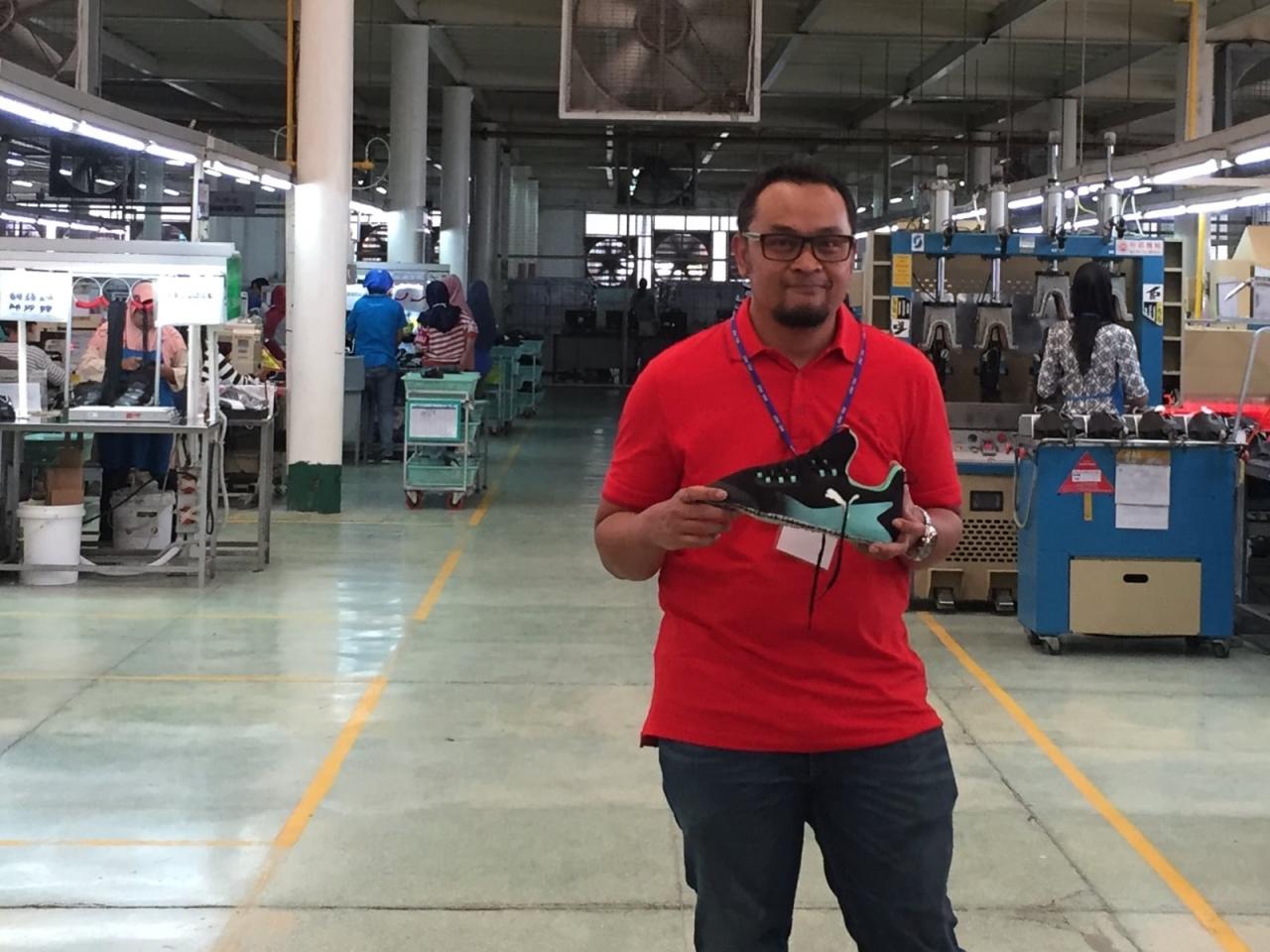
UPPING THE GAME
PUMA AUDITOR FARID NURJAMAN
Helping maintain top working conditions and PUMA’s strict standards in our Asian supplier factories is Farid's daily business.
TEAM BACK-UP
PUMA’s audit procedure for Tier 1, core Tier 2 factories, and selected warehouses verifies compliance with the PUMA Code of Conduct, which covers ILO Core Conventions. Each year, 500-600 audits or assessment reports are collected. All issues identified need to be remedied as part of a CAP. We have experts in all our major sourcing regions. We work with external compliance auditors and with the ILO’s Better Work Programme.
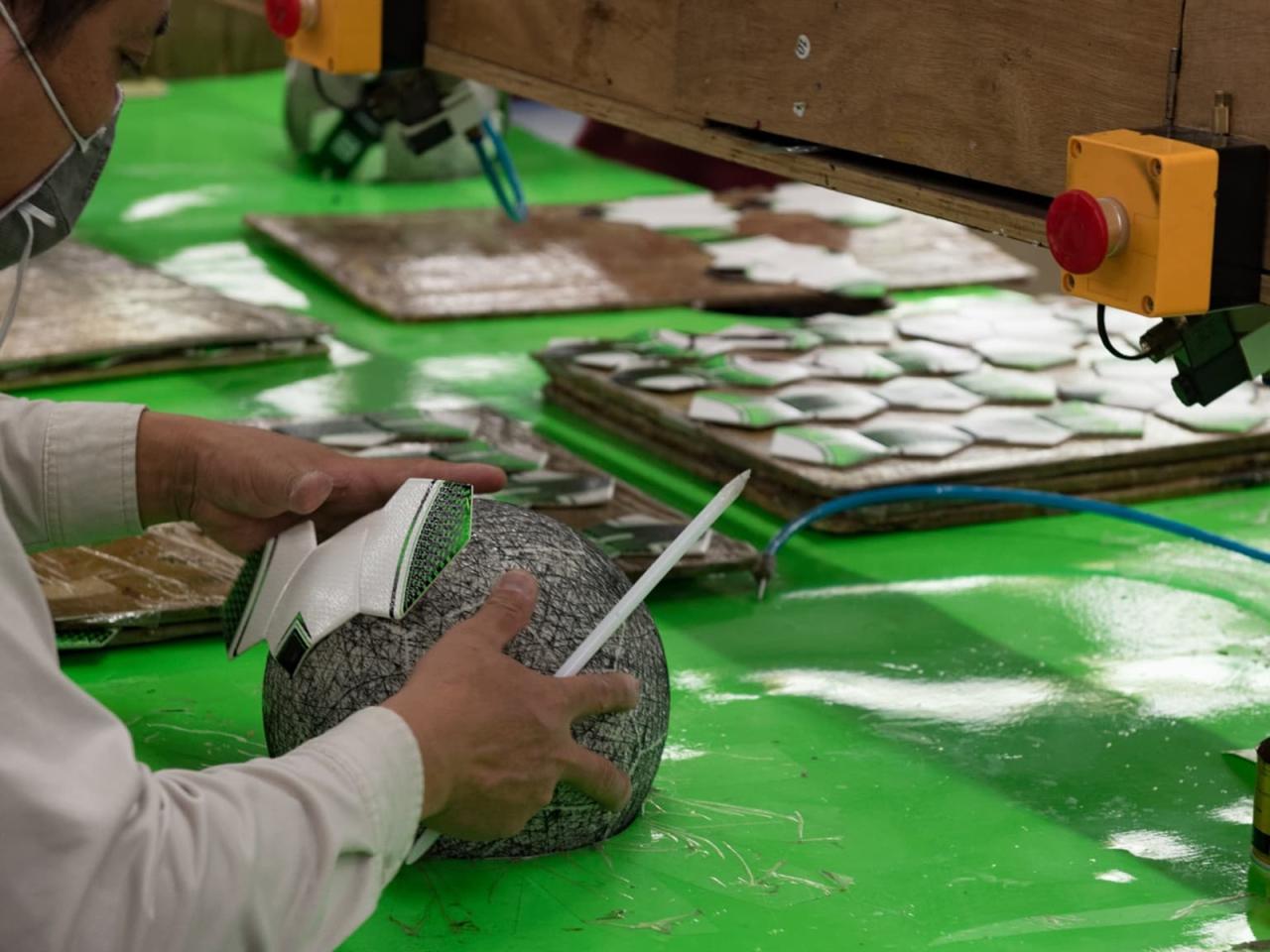
FOCUS
To audit more than 400 suppliers, we decided to divide the supplier base into two groups. Of course, we continue to regularly assess both for compliance, but our own team’s efforts are focused on our core suppliers. Meanwhile, external parties help PUMA stay on top by focusing on our non-core suppliers.
| Core suppliers | Non-core suppliers |
|---|---|
| 80% business volume | Lower order volumes |
| Used on less frequent basis |
FAIR LABOR ASSOCIATION
The Fair Labor Association (FLA) promotes human rights at work. FLA is an international network of companies, universities, and civil society organizations collaborating to ensure that millions of people working at the world’s factories and farms are paid fairly and protected from risks to their health, safety, and well-being. PUMA is a member of FLA since 2004, and a Fair Labor Accredited company since 2007. Fair Labor Accreditation verifies that PUMA has systems in place to protect the workers who manufacture our products, based on the Fair Labor Association’s internationally recognized labor standards. Fair Labor Accreditation indicates a company’s comprehensive human rights due diligence and demonstrated performance in protecting workers’ rights at the time of accreditation. Following accreditation, a company is assessed annually to ensure that they are maintaining alignment with FLA standards and principles. Our most recent re-accreditation was achieved in 2019. You can view our 2023 FLA annual assessment report here. Our latest post-accreditation report covering 2023 and 2024 is available here.
Learn more at FairLabor.org.
BETTER WORK
Better Work is an innovative partnership program between the International Labor Organization (ILO) and the International Finance Corporation (IFC). It aims to improve both labor standard compliance and competitiveness in global apparel supply chains. As a Global Buyer Partner, PUMA is committed to using only Better Work audits in lieu of our own in Vietnam, Cambodia, Indonesia, Egypt, Pakistan and Bangladesh to reduce social audit fatigue. PUMA factories, that are enrolled in the ILO / IFC Better Work Program, go through a process of learning in the fields of assessments, advisory services, industry seminars and training.
The program covers areas such as child labor issues, discrimination, forced labor, freedom of association, collective bargaining and national labor law regulations on compensation, contract and workplace relations, occupational safety and health, working hours and more.

CAPACITY BUILDING
Just like all trainings, our capacity building programs and projects intend to strengthen the knowledge, abilities, skills and behavior of our suppliers. This is how we set a groundwork upon which our suppliers can build.
GENDER EQUITY AND MEASURES AGAINST VIOLENCE & HARASSMENT
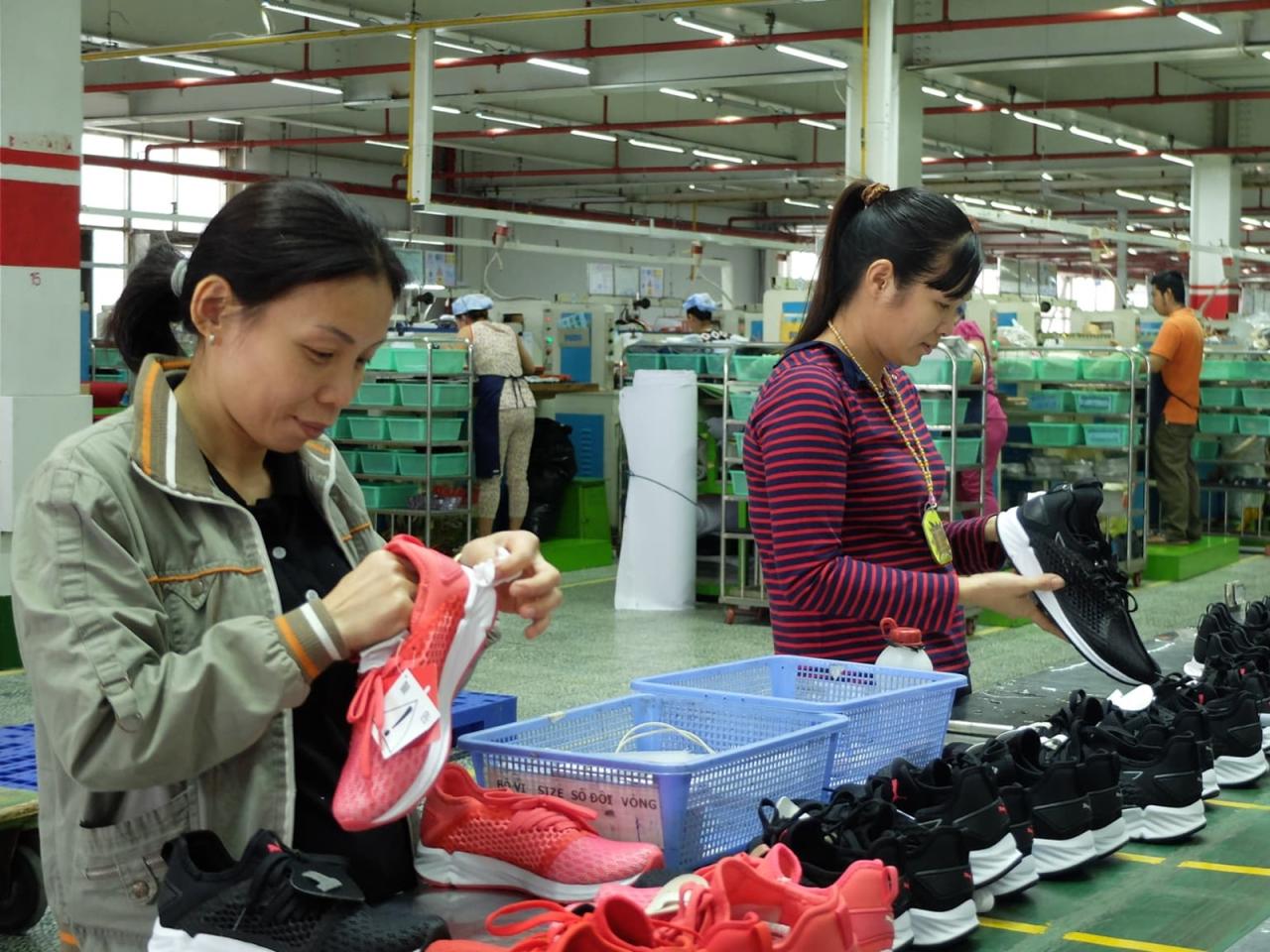
Training women on their rights and empowering them is crucial to gender equality. Since 2021, 358,128 participants have completed sexual harassment prevention training. As part of our focus on gender equity, we track gender-disaggregated metrics for production workers such as the percentage of women who were promoted or participated in career development training, and the gender pay gap.
FAIR COMPENSATION STRATEGY
PUMA defines fair wages according to the FLA Code of Conduct, which requires compensation to meet or exceed the legal minimum wage or appropriate prevailing wage, covering basic needs and some discretionary income. PUMA collects wage data annually from core factories and uploads them to the FLA’s Fair Compensation Dashboard. This way, they are compared with living wage estimates from the Global Living Wage Coalition (GLWC), developed by the Anker Research Institute, to analyse workers’ income.
Based on our analysis, we work with the Fair Wage Network (FWN) to assess and improve wage practices at factories with payment gaps. The FWN evaluates wage structures, helps factories develop remediation plans, and identifies areas for improvement such as adjusting wages for inflation and involving worker representatives.
FREEDOM OF ASSOCIATION AND SOCIAL DIALOGUE
PUMA encourages constructive social dialogue and positive industrial relations. We encourage suppliers to join the ILO Better Work Programme, which supports factories in setting up participating committees to facilitate communication and building trust between workers and management. PUMA asks suppliers to join the Better Work Programme in Bangladesh, Cambodia, Indonesia, Pakistan, Egypt, and Vietnam. We have partnered with a China-based consultancy to train our sustainability team in promoting Worker Representative Committees in factories not enrolled in the Better Work Programme.
ADVANTAGES FOR HIGH SCORERS
PUMA VENDOR FINANCING PROGRAM
Suppliers are encouraged to achieve good compliance and sustainability ratings – an A or B rating within our auditing program. With the appropriate rating, the International Finance Corporation (IFC) and banking group BNP Paribas offer attractive financing conditions to them.